We're All Doing the Bit Now: The Rise of Treating Celebrities Like Personal Friends
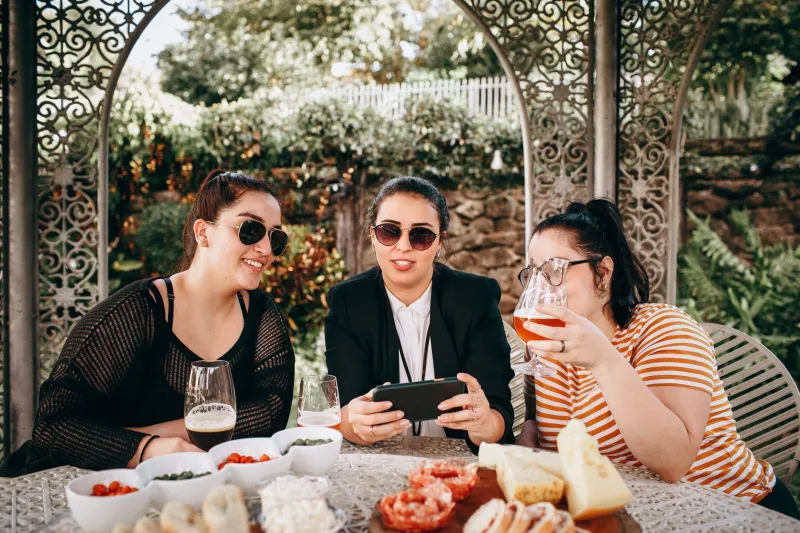
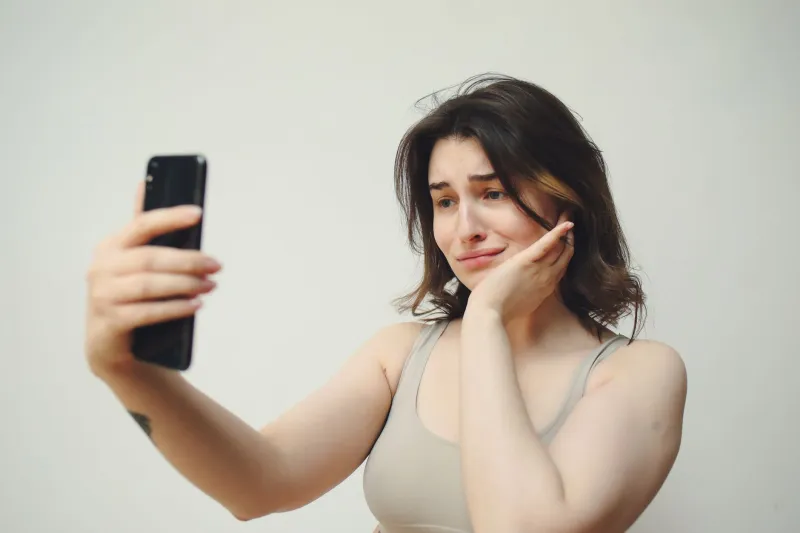
Something quietly shifted in how Americans talk about famous people, and most of us didn't even notice it happening. You're at brunch, someone brings up a celebrity breakup, and before long everyone at the table is speaking with the calm authority of a person who has genuinely been in that celebrity's kitchen. "She deserves so much better." "He's been going through a lot lately." "Honestly, I'm just proud of her growth."
Nobody at that table has met this person. Nobody is pretending they have. And yet the conversation rolls forward with a warmth and familiarity that, if you squinted, could pass for a discussion about a mutual friend going through a rough patch.
Welcome to the parasocial parody — the cultural moment where performing fake celebrity friendship has become its own genre of entertainment.
The Bit That Stopped Being a Bit
There's a version of this that started as self-aware humor. Twitter, then TikTok, made it a whole thing — people posting "checking in on my best friend Rihanna" or "I need to talk to Beyoncé about this decision she made" with full comedic awareness that they are, in fact, strangers. The joke was the distance itself. The humor lived in the absurdity of the claim.
But somewhere between the ironic posts and the parasocial deep-dives, the irony started to dissolve. Now people say these things in regular conversation, without the winking quotation marks, and everyone just... accepts it. It's become social shorthand. A way of signaling enthusiasm, investment, even personality.
Telling someone you're "a little worried about Pedro Pascal right now" doesn't raise eyebrows anymore. It starts a conversation.
Why It Feels So Good to Pretend
Psychologists have been tracking parasocial relationships — the one-sided emotional bonds people form with public figures — for decades. What's newer is how those bonds have become performative, almost theatrical. We're not just feeling close to celebrities privately. We're performing that closeness in public, and getting social rewards for doing it.
There's real psychological comfort baked into this behavior. Celebrities, especially the kind who dominate social media, are deeply familiar. You know their mannerisms, their opinions, their vocal tics, their sense of humor. You've watched them process grief, celebrate wins, and have bad hair days. That accumulated knowledge creates something that genuinely feels like knowing someone, even when the relationship is entirely one-directional.
When you talk about them like a friend, you're not lying about how you feel. You're just exaggerating the mutuality of it. And that distinction — feeling close versus being close — is something most people instinctively understand and quietly agree to overlook.
It's Also Just Really Fun
Let's not overthink the psychology when the simpler answer is right there: this is entertaining. The performative celebrity friendship is genuinely funny. It produces good content. It makes people laugh at parties.
There's a whole ecosystem of creators who have built audiences entirely on this premise — podcasters who talk about their "friend group" of A-listers, TikTokers who "update" their followers on a celebrity's life as if they're a concerned neighbor, fan accounts that post with the energy of a worried aunt. The audience isn't confused. They know the deal. They're there for the bit, and the bit delivers.
Blogos sees this constantly across the creator landscape — the voices that gain traction aren't always the most analytical or the most informative. Sometimes they're just the most committed to the performance. The creator who says "I'm going to need Zendaya to call me back" with complete deadpan conviction is offering something distinct from celebrity journalism. It's closer to improv comedy with a real person as the straight man.
The Cultural Permission Slip
What's interesting is how broadly socially acceptable this has become. A generation ago, expressing intense familiarity with a celebrity you'd never met could get you labeled as a stan — and not always kindly. The implication was that you'd lost touch with reality, that you were confusing fantasy for fact.
Now the same behavior, lightly repackaged as irony or affection, reads as charming. It signals that you're engaged with culture, that you have taste and enthusiasm, that you care about something beyond your immediate life. In a fragmented media landscape where shared cultural touchstones are increasingly rare, celebrities function as common ground. Talking about them like mutual friends is a way of building connection with other people, using a famous person as the bridge.
The celebrity doesn't have to be present — or even aware — for the social function to work perfectly.
When the Parody Gets Complicated
It's not all harmless fun, and it's worth naming that. The same framework that produces genuinely funny content can slide into something more troubling when the "friendship" starts demanding things from the celebrity — loyalty, consistency, gratitude, reciprocity. The performance becomes a problem when people forget they wrote the script themselves.
A fan who cheerfully says "that's my girl" about a pop star is doing something different from a fan who feels genuinely betrayed when that pop star makes a choice they don't approve of. The first is a joke. The second is a relationship expectation placed on someone who never agreed to the relationship.
The line between the two isn't always obvious, which is part of what makes this cultural moment so strange to navigate. The bit is fun until the bit becomes belief.
The New Normal
For most people, though, the celebrity fake-friendship stays in the fun zone. It's a way of engaging with culture that feels warmer and more personal than traditional fandom, less intense than the deep-dive obsessive end of the spectrum, and more socially legible than just saying "I follow this person online."
Saying "I'm so proud of her" about a musician you've never met communicates something real — genuine investment, genuine warmth — even if the framing is technically fiction. And in a culture that increasingly blurs the line between entertainment and connection, maybe that's enough.
We all know we're doing the bit. We're just choosing not to stop.