Still Swinging at a Fight That Already Ended: The Strange Joy of Arguing About Nothing
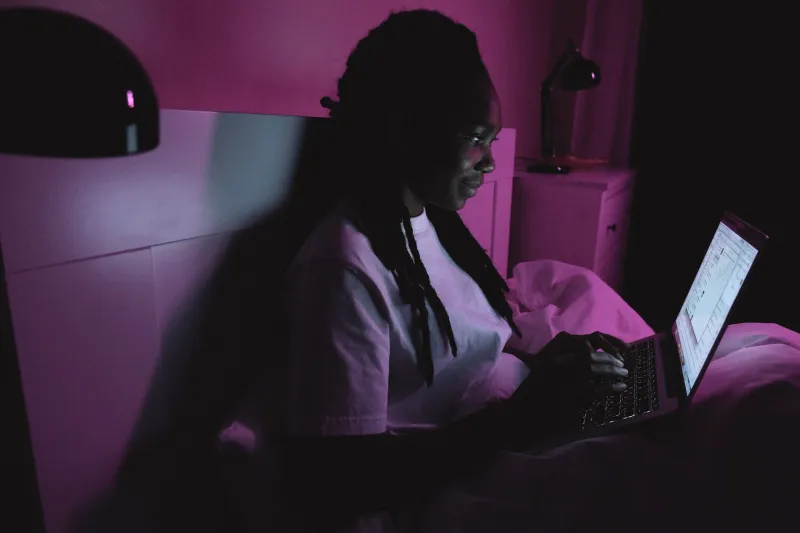
The Argument Is Over. You Just Haven't Stopped Talking.
Picture this: it's 11 PM on a Tuesday, and you're deep in a Reddit thread defending your position on whether a certain HBO series stuck its landing. The show ended in 2019. The cast has moved on. The showrunners are working on something else entirely. The cultural conversation moved to three different fandoms ago.
And yet — here you are. Typing. Passionately.
This is the discourse graveyard. A very real, very populated corner of the internet where entertainment arguments keep stumbling around long after the moment that spawned them has quietly packed up and left. And the weird part? It still feels important. It still feels like something is at stake.
So what exactly is going on?
When 'Winning' Stops Requiring an Audience
Here's the thing about online entertainment debates — they almost never have a clean ending. Nobody calls a final score. There's no referee stepping in to say, okay, the people who liked the Game of Thrones finale were wrong, and here's your trophy. The conversation just... drifts. People lose interest. A new season of something drops. A celebrity does something weird. The discourse moves.
But for the people still in the thread? Still in the group chat? Still bookmarking articles that support their position? The argument is very much alive.
Psychologists have a term for this kind of thing — it brushes up against what's called the need for cognitive closure, the very human desire to wrap up a disagreement with a satisfying resolution. When that resolution never comes, some people disengage. Others double down. And a surprisingly large number just... keep going, almost on autopilot, collecting wins against opponents who have long since logged off.
The audience shrinks to zero, but the satisfaction of making a good point doesn't. That's a strange little glitch in how our brains process conflict.
Zombie Takes and the Fans Who Love Them
Every fandom has its version of this. Star Wars fans have been relitigating the prequel trilogy for two decades — and that debate has now looped back around so many times that the people who originally hated the prequels are now defending them against a new generation of critics. The argument ate itself and came back hungrier.
Marvel fans are currently in the middle of their own version, with ongoing debates about the post-Endgame era that feel increasingly untethered from anything a casual viewer would recognize as a live conversation. The discourse has its own internal logic now, referencing arguments that referenced other arguments, like a cinematic universe of bad takes.
And don't even get started on the music world. The Beyoncé-versus-Taylor Swift discourse has become practically load-bearing infrastructure for certain corners of social media — a permanent fixture that flares up every few months regardless of whether either artist has done anything remotely controversial.
These are zombie debates. Technically dead, culturally inert, but still walking around taking up space and occasionally biting people.
Why We Stay Invested When the Stakes Are Gone
There's something almost comforting about a debate with no real consequences. When the cultural moment has passed and nobody's box office numbers or streaming stats are affected by your opinion anymore, arguing becomes a kind of low-stakes sport. You can be as passionate as you want without anything actually being on the line.
That might be exactly the appeal.
In a media environment that moves genuinely fast — where a hot take has maybe 48 hours before it's buried under the next thing — the discourse graveyard offers a weird kind of permanence. The argument about whether The Last of Us game purists are being unreasonable? That'll still be there next month. The debate about whether a certain long-running network drama jumped the shark in season four? Evergreen. Immortal, even.
There's also an identity component that's hard to ignore. For a lot of fans, their positions on these debates aren't just opinions — they're part of how they define themselves within a community. Changing your mind, or worse, walking away from the argument entirely, can feel like a kind of self-erasure. So you stay. You defend the take. Even when the war is over.
The Platform Problem
It's worth pointing out that none of this happens in a vacuum. Social platforms are genuinely built to keep these conversations alive. Algorithms don't care whether a debate is culturally current — they care whether it generates engagement. A post reigniting a three-year-old argument about a Netflix show can perform just as well as something topical, sometimes better, because it's tapping into an existing emotional investment that never fully resolved.
Every upvote, every reply, every ratio is a little signal that says: this still matters. And that signal is often enough to keep people going long past the point where anyone outside the thread would recognize what they're even arguing about.
Blogos sees this play out constantly across the creator and fan communities that call this platform home. A post revisiting an old beef between content creators from 2021 will still find an audience in 2025 — not because the drama is relevant, but because some arguments become their own kind of entertainment. The debate stops being about the original subject and starts being about the debate itself.
What It Actually Says About Us
Honestly? The discourse graveyard isn't a bug. It's a feature of how human beings process disagreement in spaces where nothing is ever truly resolved.
We're wired to want conclusions. When pop culture — which we invest real emotional energy into — refuses to provide them, we manufacture our own. We keep the argument alive because an ongoing argument at least has the possibility of a resolution. Walking away means accepting ambiguity, and ambiguity is uncomfortable.
There's also something worth saying about community. For all its absurdity, the zombie debate keeps people connected. The folks still arguing about whether a specific superhero movie was actually good are, in some weird way, still showing up for each other. Still part of something. The argument is just the excuse.
So next time you catch yourself drafting a passionate response about a show that ended during a different presidential administration — take a beat. Ask yourself whether you're trying to win the argument or just trying to stay in the room.
Both are valid answers, by the way. Just maybe don't spend three hours on it.