7 Forgotten Shows the Internet Refuses to Let Die (And the People Who Won't Stop Talking About Them)
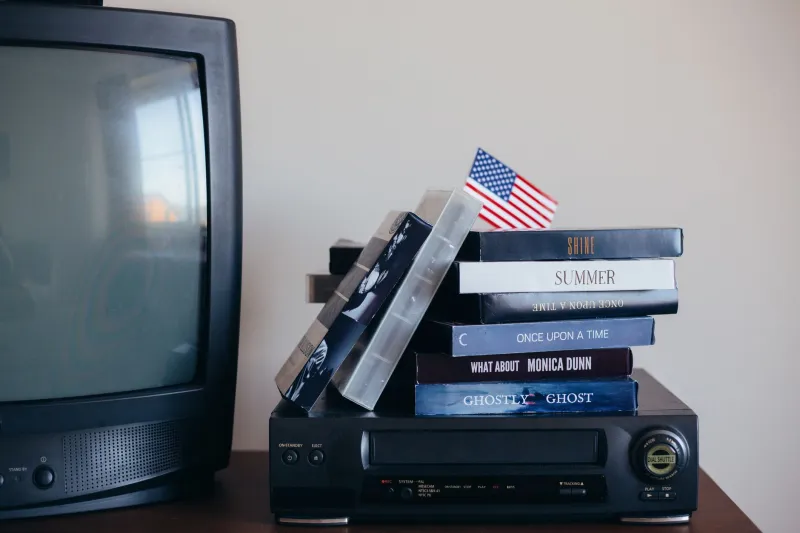
Somewhere on YouTube right now, a creator with a devoted following is uploading a forty-minute video essay about a sitcom that got canceled in 2001 and has been legally unavailable to stream for a decade. It will do better numbers than most channels posting about current hits.
Welcome to the forgotten media renaissance — the coziest, strangest, most stubborn corner of the creator economy.
The Economics of Obscurity
Here's the thing every content strategist gets wrong: the internet does not reward coverage. It rewards specificity.
There are ten thousand videos about Breaking Bad. There are roughly four about that mid-90s ABC family drama that ran thirteen episodes and vanished. Guess which one has a comment section full of people saying "OH MY GOD I THOUGHT I DREAMED THIS SHOW."
Creators figured this out early. Channels devoted to lost media, one-season wonders, and straight-to-video oddities built loyal audiences precisely because nobody else was bothering. When your subject matter is a canceled WB series from 1999, you're not competing with every other entertainment channel. You're the only one holding the flashlight.
The Lost Media Detectives
The most fascinating subset of this world treats unavailable media like cold cases. Forums and subreddits track down tapes of unaired pilots, region-locked releases, and shows wiped from streaming after licensing shuffles. When a lost episode surfaces, it's genuinely newsworthy within these communities — a small archaeological event.
These creators aren't just archivists, though. The best of them are entertainers first, weaving the search for some forgotten kids' show into a genuine detective story. The video isn't about the show. It's about the hunt.
Why Forgotten Hits Different Than Classic
Nostalgia for The Office is everywhere and therefore worthless as a bonding agent. Everyone's seen it. There's nothing to discover.
But nostalgia for the overlooked? That's a handshake between members of a secret club. When someone writes "I can't believe anyone else remembers this" under a video about a short-lived Nickelodeon game show, they're not just commenting — they're confirming their own childhood happened. That someone else shares the memory makes the memory more real.
There's also less baggage. Classic nostalgia comes with canon, reboots, discourse, and studio IP lawyers. Forgotten media nostalgia is pure. Nobody's monetizing it. Nobody's fighting about it. It's just a warm little artifact that time forgot.
A Field Guide to the Genre
If you want to fall down this rabbit hole — and you should — here's where the community lives:
- Video essay channels covering "shows that disappeared" — the flagship genre, often an hour long and weirdly moving.
- Subreddits like r/lostmedia and r/obscuramedia, where users crowdsource identification of half-remembered shows from vague childhood descriptions.
- Review blogs dedicated to watching every episode of something that deserved better, one post at a time.
- Discord servers that function as informal preservation societies, trading rips and recordings like baseball cards.
The Creators Keeping the Lights On
What's genuinely admirable here is the labor. Streaming availability changes constantly — shows vanish from platforms overnight when deals expire. Someone has to remember they existed. Someone has to write it down.
These creators are doing cultural bookkeeping that studios won't pay for and libraries can't keep up with. They're building small businesses on followings of fifty thousand people who care deeply about something everyone else forgot. That's not a niche failure. In today's creator economy, that's arguably the smartest possible position to be in.
The classics belong to everybody. The forgotten belong to the people who showed up. And on the internet, showing up is everything.