Sorry, Not Sorry: The Creator Apology Has Become Its Own Genre — And We're All Playing Along
The Script Has Already Been Written
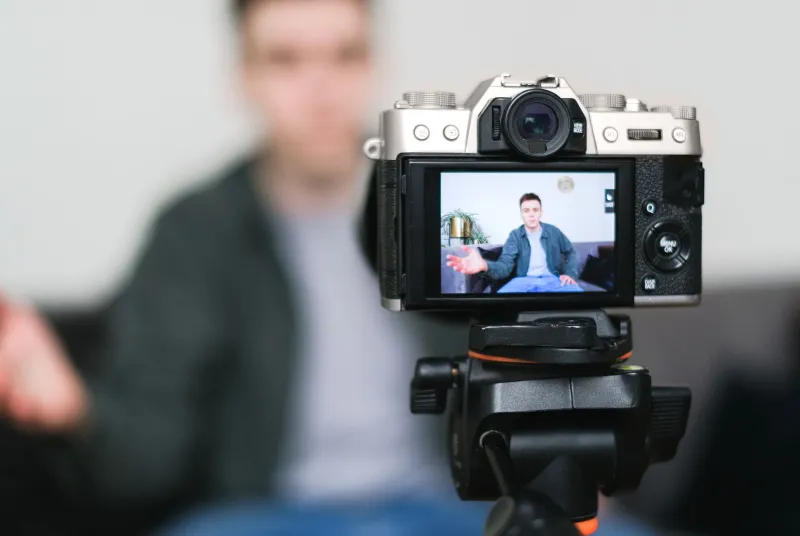
You've seen this video before. The creator sits in a dimly lit room — not too dark, just moody enough to signal seriousness. No ring light. No brand deals rolling in the sidebar. Maybe a houseplant in the background. They look tired, which is important. They take a breath, look directly into the camera, and say some version of: "I've had a lot of time to think, and I owe you all a conversation."
What follows is roughly 8 to 14 minutes of carefully paced contrition, strategic vagueness, and language that sounds vulnerable without actually conceding much. By the end, they've apologized to everyone and no one. And within 72 hours, their subscriber count is already recovering.
Welcome to the Creator Apology — a genre so codified at this point that media critics, fans, and even other creators can identify its beats the way you'd spot a three-act structure in a rom-com. It has its own tropes, its own pacing, its own unwritten rules. And somehow, it keeps working.
How the Formula Got This Polished
It didn't start this way. Early YouTube drama was messy and unfiltered — creators firing back in real time, comment wars, response videos that went sideways. The apology, when it came, was often just as chaotic.
But somewhere along the line, the ecosystem matured. PR firms started working with mid-tier and top-tier creators. Managers got involved. Lawyers reviewed scripts. And slowly, the apology video evolved from a panic response into a managed communications product.
Now it has recognizable components almost every time:
- The soft open: A quiet acknowledgment that "things got out of hand" or "I said something I shouldn't have."
- The personal backstory pivot: A brief detour into the creator's own struggles — mental health, burnout, a difficult childhood — that contextualizes (but doesn't excuse!) the behavior.
- The non-specific apology: Apologizing for "how things made people feel" rather than for the actual thing they did.
- The accountability gesture: Announcing a donation, a hiatus, or a vague commitment to "do better" and "listen more."
- The hopeful close: A quiet, earnest look into the camera. "I'm not going anywhere. I just need to be better for you."
It's not that creators invented this template from scratch. They borrowed it from celebrity PR culture, from the political non-apology, from reality TV confessionals. But they've refined it for an audience that consumes parasocially and wants, desperately, to forgive.
The Merch Drop Is Not a Coincidence
Here's where it gets uncomfortable. In a number of high-profile creator scandals over the past few years, the apology video wasn't the end of the story — it was the setup for one.
A creator posts their heartfelt video on a Thursday. By Saturday, there's a newsletter. By the following Tuesday, a limited merch drop — sometimes explicitly framed around the "new chapter" or "growth" narrative the apology introduced. The discount code arrives like clockwork.
Now, is that always cynical? Not necessarily. Creators are small businesses. Content is their livelihood. Going dark for weeks after a scandal has real financial consequences. Getting back to work isn't inherently manipulative.
But the timing matters. When the apology and the monetization are separated by 96 hours, it raises a fair question: Was the contrition a genuine reckoning, or was it a rebranding strategy with emotional packaging?
The audience, to its credit, has started noticing. Comment sections on apology videos are increasingly divided between people who want to extend grace and people who are clocking the whole performance in real time. "The merch drop is already in the bio" has become its own genre of response.
What Audiences Actually Want From These Videos
Here's the complicated part: most viewers aren't watching apology videos because they want accountability. They're watching because they want permission — permission to keep liking the person they already liked before the drama started.
That's not a criticism. It's just human. We form real attachments to creators. We've spent hundreds of hours with them. When something goes wrong, the path of least resistance is to accept the apology and move on. The 10-minute video gives us a ritual to do that. It's a structured way to process the rupture and return to the relationship.
The problem is that rituals can replace substance. If the format is familiar enough, the audience may respond to the shape of accountability without requiring any of its content. A creator who hits every emotional note in the right order can generate forgiveness without ever genuinely grappling with what they did.
And platforms know this. YouTube's algorithm doesn't distinguish between a sincere apology and a calculated one. Both get views. Both get engagement. Both feed the recommendation engine. The system has no incentive to reward authenticity over performance.
When It Actually Works — And When It Doesn't
To be fair, not every creator apology is a cynical cash grab. Some are genuinely messy, imperfect attempts at making things right. Some creators have used the format to own serious mistakes and visibly changed their behavior afterward. The proof isn't in the video — it's in what comes after.
The apologies that tend to land aren't the most polished ones. They're the ones where something specific gets named, where the creator doesn't immediately pivot to their own feelings, where there's no product launch on the back end. They're also, notably, rarer.
The ones that fall apart — sometimes spectacularly — are usually the ones where the creator misjudged how much the audience had already moved on, or where the scandal was serious enough that no amount of soft lighting could soften it. A well-executed apology format can't rescue a creator who hurt people in ways that are genuinely hard to forgive. The genre has limits.
So What Are We Actually Doing Here?
The creator apology ecosystem exists because it serves everyone in the short term. Creators get a path back to relevance. Audiences get a ritual that makes returning feel okay. Platforms get engagement. Managers and PR reps get paid. The whole thing runs smoothly.
What it doesn't necessarily produce is accountability — at least not the kind that changes anything. It produces the performance of accountability, which is a different thing entirely.
That's not unique to creators, by the way. It's the same dynamic playing out in corporate apologies, political press conferences, and celebrity statements every single day. The creator version is just more intimate, more personal, and — because of that parasocial closeness — somehow more effective at bypassing our skepticism.
Maybe the most honest thing we can say is this: the next time a creator you follow posts a 10-minute apology video, watch it if you want. Feel whatever you feel. But also notice the structure. Notice the beats. Notice what's named and what isn't. Notice whether the merch drop follows.
You're allowed to forgive someone and clock the performance at the same time. That's not cynicism — that's just being an informed audience member in 2025.