Your Couch Is Empty but the Group Chat Is Packed: The Strange New Way America Watches TV
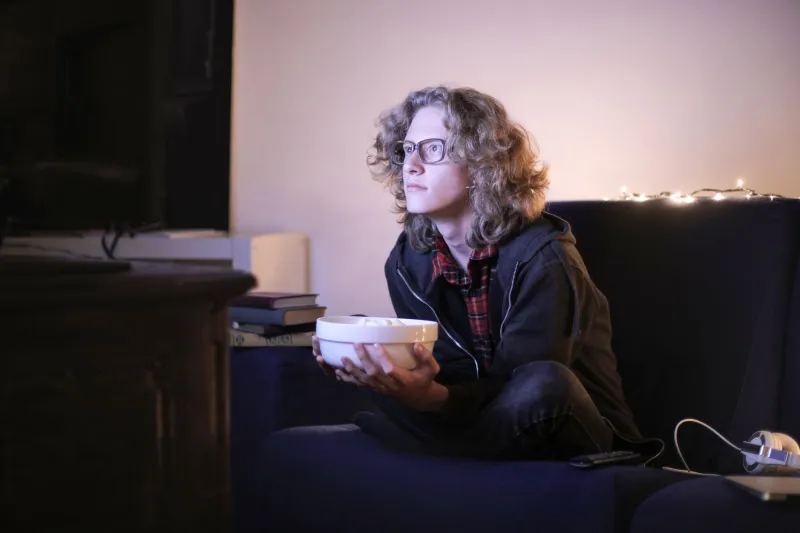
My dad still talks about Sunday nights in 1993 like they were a religious experience. The whole family crammed into the living room, a frozen pizza, everyone groaning when the phone rang during the good part. One screen, five people, zero options. That was television.
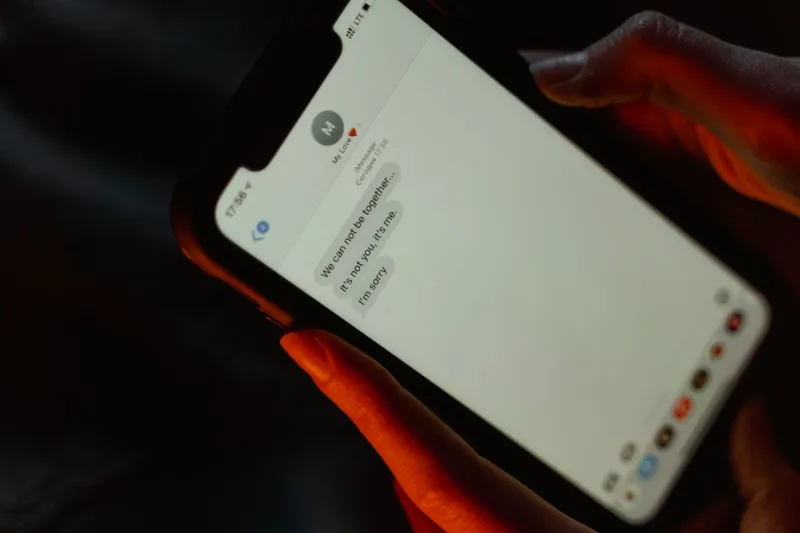
Last week I watched the season finale of a hit drama completely alone in my apartment. And yet at no point did I feel like I was watching it by myself. My phone glowed next to me the entire time — a group chat with three friends, a subreddit refreshing in real time, and a TikTok search I kept cycling through on commercial-equivalent pauses. By the time the credits rolled, I had laughed at roughly forty jokes made by people I will never meet.
That's the modern viewing experience. The couch is empty. The room is full.
The Watercooler Didn't Die, It Got a Username
For years, the obituaries wrote themselves: on-demand streaming killed communal TV. Why wait a week when you can binge the whole season at 2 a.m. in your pajamas?
What the obituaries missed was that people don't actually want to watch alone. We just wanted flexibility on when — not solitude during. So we improvised. Live-tweeting premieres. Discord servers that light up like a stadium the second a plot twist lands. Reaction YouTubers who exist, functionally, to be the person sitting next to you on the couch, gasping on cue.
The watercooler conversation used to happen the morning after. Now it happens during, in real time, with a live studio audience of millions.
Reaction Videos Are Just Friends You Rent
It's easy to smirk at reaction content — someone filming themselves watching something so you can watch them watching it. But spend ten minutes in one of those comment sections and the smugness fades. People type things like "I've been following this channel since season one and this is the moment I've waited for" with the sincerity of a lifelong friendship.
There's a reason it works. Watching something funny is objectively less fun alone. Psychologists have known for decades that laughter is social — we laugh way more with people than by ourselves, even at the same jokes. Reaction videos hack that wiring. The creator becomes a stand-in companion, and the comments become the rest of the party.
It's parasocial, sure. But so was cheering for a baseball team, and nobody called that sad.
What We Gained (It's Not Nothing)
Here's the part nobody says out loud: the stranger-watercooler is sometimes better than the real one.
Your coworker might not care about the show you're obsessed with. Your spouse might be three seasons behind. But online, there is an infinite room of people who watched the same episode twenty minutes ago and have thoughts. Niche interests that would've made you the weird kid in 1995 now come with a built-in audience of two hundred thousand.
The old watercooler was limited to whoever happened to be in the office. The new one is limited to nothing.
What We Lost (Also Not Nothing)
But there's a catch, and it's worth sitting with.
When your viewing companions are anonymous and infinite, the stakes of the conversation drop. You can be nasty to strangers in ways you'd never be to your brother-in-law. Discourse gets louder and dumber in real time — hot takes are posted before the episode ends, takes are graded within minutes, and nuance doesn't stand a chance against the reply button.
There's also something quietly lonely about it. A thousand people reacting to the same scene is not the same as one person turning to you afterward and saying, "Okay, but did that wreck you too?" The group chat knows the show. It doesn't necessarily know you.
The New Ritual
My dad's Sunday nights are gone, and they're not coming back. But I've stopped mourning them. Last week, after the finale, three friends and I stayed in the group chat for another hour doing what families used to do in living rooms — arguing, predicting, rehashing, stalling bedtime.
Different screen. Different strangers. Same instinct.
Turns out we never really wanted appointment television. We just wanted to not be alone when the credits rolled. The internet figured that out before we did.