So Long, Stranger: The Collective Grief Rituals We Perform When a Creator Disappears
The Notification That Changes Everything
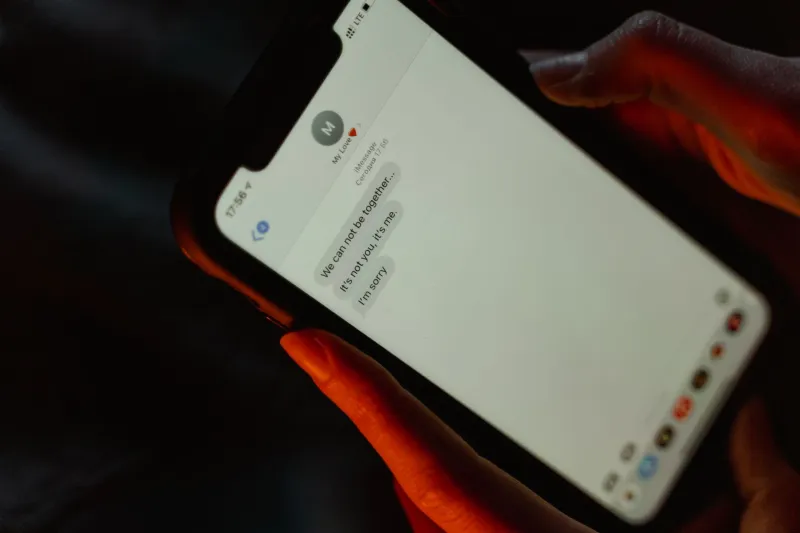
It usually starts with a pinned post. Or a tearful YouTube video. Or sometimes just... silence — a feed that used to update every Tuesday morning suddenly going cold without explanation. However it arrives, the moment a beloved creator steps back from the spotlight, a familiar chain reaction kicks off across comment sections, Reddit threads, and group chats from Portland to Pensacola.
People start checking in on each other. Someone posts, "Are you guys okay?" and gets three hundred replies within the hour. Fan accounts pivot to tribute content. Old videos get rewatched. Playlists get made. The whole thing has the texture of a community gathering around something lost — which is exactly what it is, even if the thing lost was never really theirs to begin with.
We've built a word for the one-sided emotional bonds people form with creators, celebrities, and characters: parasocial. But we've been slower to develop language for what happens when those bonds break. That gap is worth examining, because the breakup rituals are becoming just as elaborate — and just as sincere — as the relationships themselves.
The Grief Starter Pack (You've Probably Used It)
If you've ever been through one of these collective mourning moments, you know the stages almost by heart. First comes the denial phase, where everyone convinces themselves the hiatus is temporary. She just needs a break. He'll be back after the holidays. It's just burnout — they always come back.
Then comes the archiving impulse. Fans race to download videos before they get deleted, screencap old tweets, compile "best of" threads. There's genuine urgency to it, like people trying to preserve something fragile before it disappears entirely. This isn't just nostalgia — it's a community collectively deciding that what they experienced together mattered enough to protect.
After that, the tribute economy kicks in. Fan art floods Pinterest and Tumblr. Spotify playlists with names like "for the ones who stayed" start circulating. Long, personal essays appear on platforms like this one — people processing out loud, in public, for strangers who understand exactly what they mean.
And somewhere in the middle of all of it, people start asking the uncomfortable question: Why does this hurt so much? I didn't even know them.
The Void That Got Filled (And Now Isn't)
Here's the thing about parasocial relationships that often gets lost in the discourse: they fill real gaps. Not fake ones. Not imaginary ones. Real, legitimate gaps in connection that a lot of Americans are quietly dealing with.
Studies on loneliness in the US consistently paint a bleak picture. Adults report having fewer close friends than previous generations. People spend more time alone. Traditional community anchors — churches, neighborhood associations, bowling leagues (yes, really) — have been hollowing out for decades. Into that space stepped the creator economy, offering something that felt, at a cellular level, like belonging.
A creator who posts every day, who remembers their own running jokes, who talks to the camera like they're catching up with a friend — that's not nothing. For a lot of people, especially those dealing with social anxiety, geographic isolation, or just the general low-grade disconnection of modern American life, that daily check-in became genuinely load-bearing. It held something up.
So when it disappears, the grief isn't irrational. It's proportional to what that connection was actually doing. The fact that the creator didn't know your name doesn't mean the relationship wasn't real on your end. Relationships have always been asymmetrical in all kinds of ways. This is just a new version of an old human pattern.
When Cancellation Complicates Everything
Not all creator departures are clean. Some aren't hiatuses or burnout announcements — they're implosions. A creator gets canceled, or revelations surface that reframe everything their audience thought they knew about them. That kind of ending is messier, and the grief that follows is messier too.
There's a particular kind of emotional whiplash that comes with loving someone's work and then learning something that makes you feel foolish for having loved it. Fans have to grieve twice: once for the creator they thought they knew, and again for the version of themselves that trusted that image. Online communities often fracture along those fault lines — some people defending the creator, some people furious at anyone who still does, and some people just quietly disappearing from spaces that no longer feel safe.
What's striking is how much the community rituals persist even in these uglier endings. People still make tribute posts, still compile archives, still write long processing essays. The form stays the same even when the feeling underneath it is more complicated — equal parts grief, betrayal, and something uncomfortably close to embarrassment.
Why We Do It Publicly
One thing that distinguishes parasocial grief from private grief is how insistently communal it is. People don't just feel it quietly at home — they perform it, share it, seek out others who are feeling it too. And that's not performative in a cynical sense. It's more like an instinct toward collective processing.
Human beings have always ritualized loss together. Wakes, memorial services, candlelight vigils — these exist because grief shared is grief made bearable. When the thing being mourned is a creator who built their whole career on community, it makes a certain kind of sense that the mourning would happen in community too. The comment section that was once a gathering place becomes, briefly, a place to gather around the absence.
Blogos exists because voices and experiences don't sort neatly into official categories. People need places to say this thing happened and it mattered to me — even when the thing is hard to explain to someone who wasn't there for it. The collective eulogy for a creator who never knew your name is exactly that kind of experience: deeply personal, widely shared, and stubbornly real.
What We're Actually Learning About Ourselves
If there's a silver lining in all of this, it might be what these grief rituals reveal about what people actually want from connection. They want consistency. They want to feel seen, or at least understood. They want to belong to something. They want their time and attention to mean something to someone.
Creators figured out how to offer approximations of all of those things. The fact that so many people accepted those approximations so readily — and mourned them so genuinely when they ended — says less about gullibility and more about hunger. People are hungry for real connection and will find it, or the nearest available substitute, wherever they can.
The parasocial breakup, in that light, isn't just a quirky internet phenomenon. It's a signal. A pretty loud one. About what's missing, what we're building to fill it, and how much it costs when even the substitute disappears.
So yeah — it's okay that you rewatched all their old videos after the announcement. It's okay that you posted about it. It's okay that it stung more than you expected. You weren't being dramatic. You were being human.